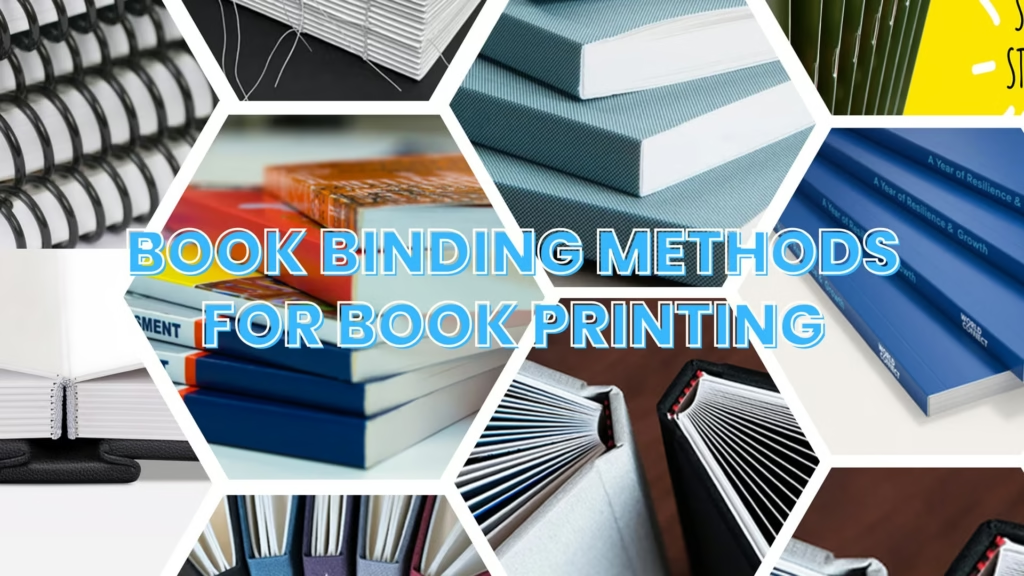
Why the Binding Method Matters
The binding method directly affects the lifespan, usability, and perceived value of your book. A premium hardcover with sewn signatures can be passed down for decades, while a simple stapled booklet is designed for short-term campaigns and fast distribution.
When you choose a binding method, you are also deciding how the reader will interact with the book, how often it can be used before showing wear, and how strongly it communicates your brand position.
- Durability: Will the book be used for years, or is it a short-lived promotion?
- Reading experience: Does the content benefit from lay-flat opening or wide image spreads?
- Cost: Are you aiming for low unit cost, or for a premium object that can justify a higher price?
- Brand positioning: Does the book need a luxurious, gift-like presence or a straightforward functional look?
- Logistics: Hardcover books weigh more, which impacts freight and storage; spiral bindings may deform under pressure.
Before choosing a binding, clarify your priorities in terms of page count, target audience, intended lifespan, and budget. Once these are clear, the technical choice becomes much easier.
Main Commercial Binding Methods
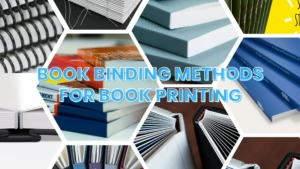
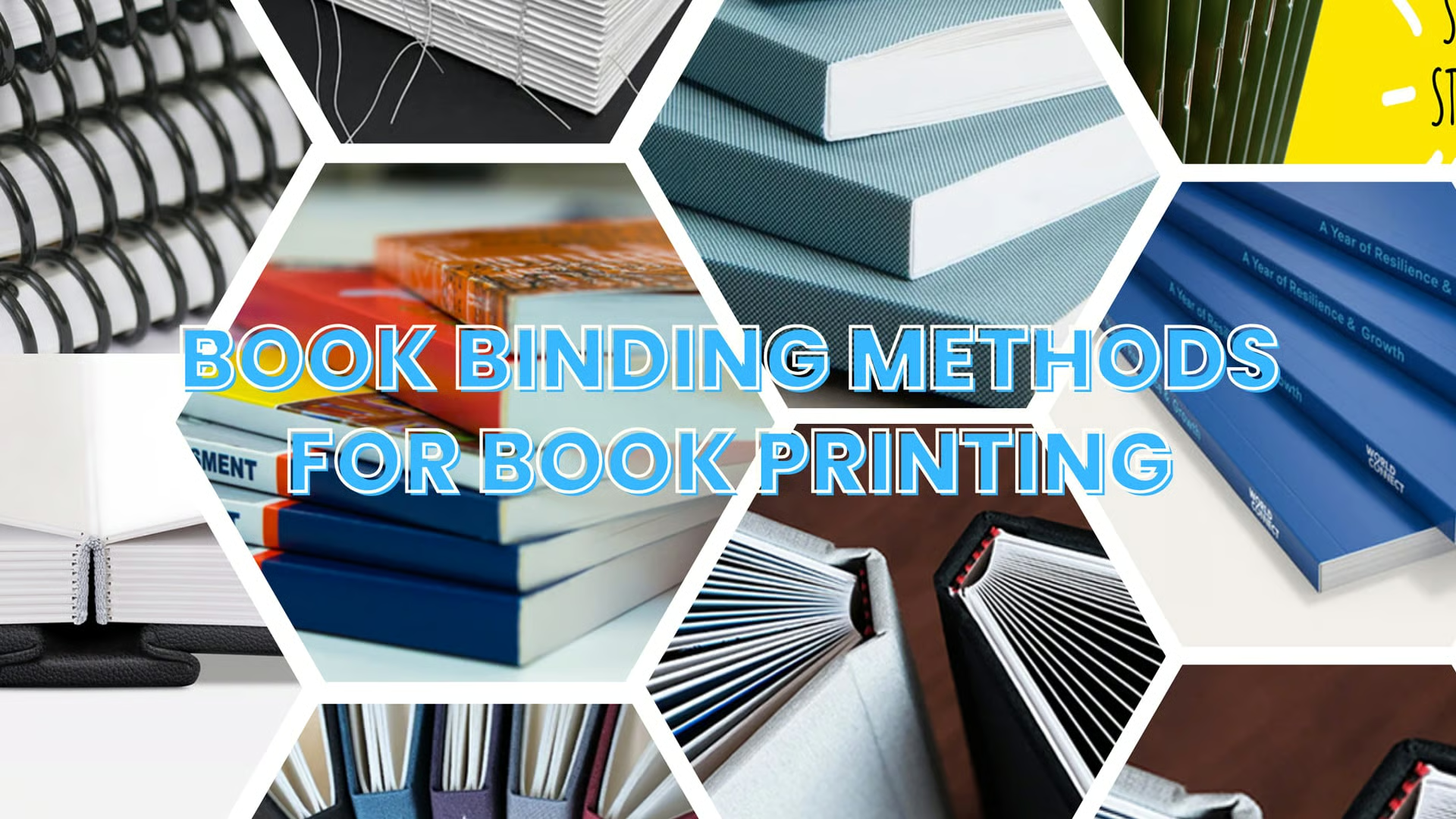
Below you will find an overview of the most common binding methods used in professional book production. Each method has its sweet spot. Rather than searching for one perfect solution that fits all projects, think in terms of “best fit” for each category of book.
| Binding Method | Durability | Lay-Flat | Typical Cost Level | Typical Applications |
|---|---|---|---|---|
| Saddle Stitch | Low–medium | Opens fairly flat | Low | Brochures, slim catalogs, event programs |
| Perfect Binding | Medium | Limited | Medium | Paperbacks, catalogs, journals |
| PUR Perfect Binding | Medium–high | Better flexibility | Medium | High-use softcovers, export books |
| Case Binding (Hardcover) | Very high | Good, especially when sewn | High | Premium books, children’s books, coffee-table titles |
| Spiral Binding | Good | Fully lay-flat, 360° | Medium | Manuals, notebooks, planners |
| Wire-O Binding | High | Lay-flat | Medium–high | Calendars, corporate presentations |
| Smyth-Sewn | Very high | Good to very good | High | Textbooks, reference books, premium soft/hardcovers |
| Lay-Flat Binding | Medium–high | Excellent | High | Photo books, cookbooks, map books |
| Japanese Stab | Medium | Limited | High | Art books, small gift editions |
| Coptic & Long-Stitch | High | Excellent lay-flat | High | Art journals, design-led editions |
1. Saddle Stitch Binding
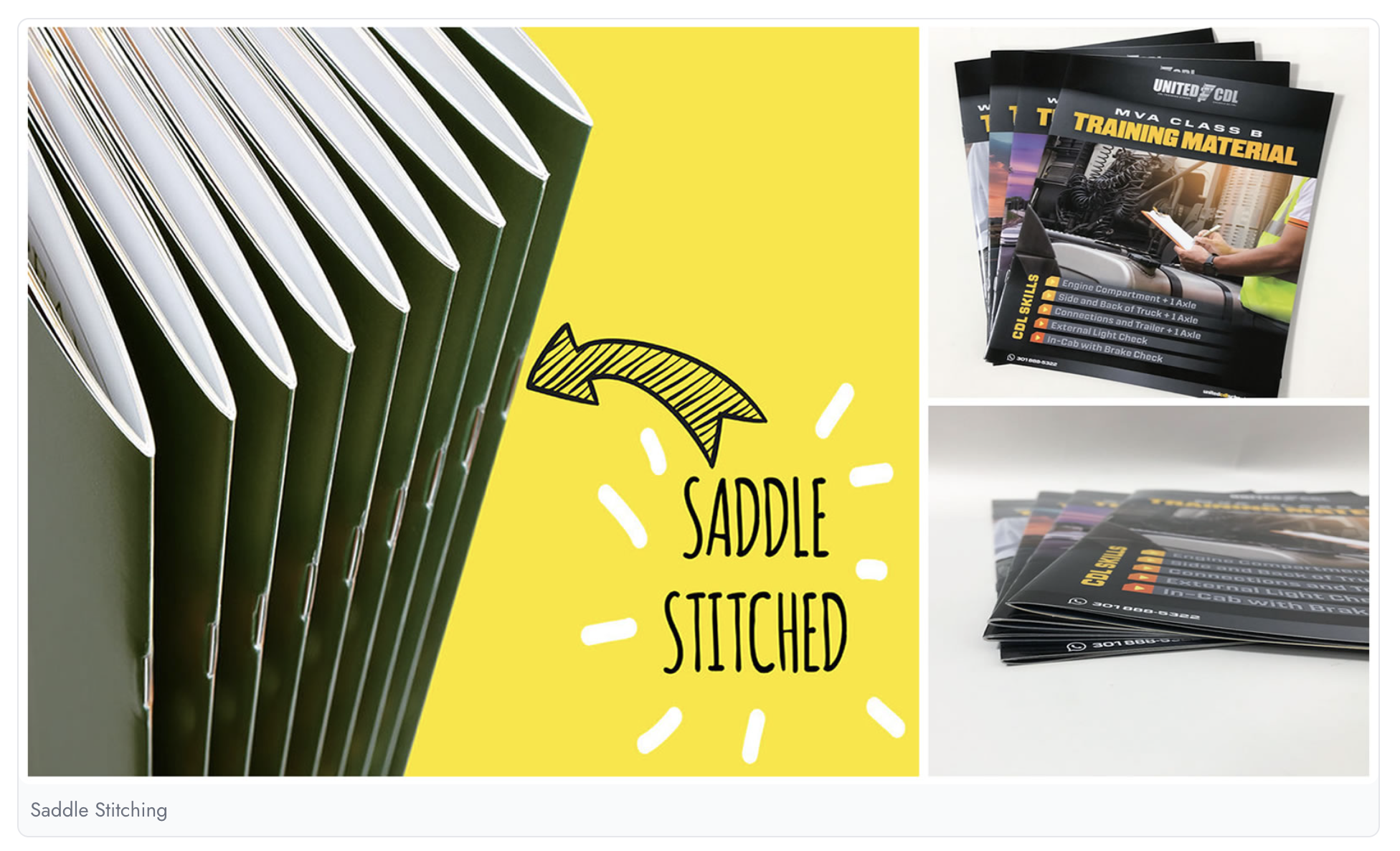
Saddle stitch binding is one of the simplest and most economical methods. Printed sheets are folded in half, nested inside each other, and secured with wire staples along the spine fold. It is common in magazines, event programs, menus, and marketing booklets.
Key Characteristics
- Ideal page count: usually 8–64 pages, always in multiples of four.
- Cost efficiency: very low unit cost, perfect for large distributions and promotions.
- Production speed: fast to set up and run on press and bindery lines.
Advantages
- Budget-friendly for short-lived or frequently updated publications.
- Opens quite flat, making it easy to browse quickly.
- Lightweight and inexpensive to mail.
Limitations
- No square spine — the title cannot be printed on the spine.
- High page counts create “page creep,” causing the inner pages to protrude unless carefully trimmed.
- Less durable; stapled spines are not designed for heavy, long-term use.
At ChinaBestPrinting, saddle stitch is usually recommended for catalogs, brochures, and slim booklets where cost, speed, and lightness are more important than long-term durability.